Get Residential Siding Installation
Residential siding installation services help property owners replace or upgrade exterior siding to improve appearance, protect against weather damage, and address aging or damaged materials.
If you’re considering residential siding installation, you’ve come to the right place to explore your options. Property owners in the area often look into siding upgrades to enhance curb appeal, improve energy efficiency, or increase the durability of their homes. Planning a siding project involves evaluating different materials, styles, and installation approaches, making it helpful to compare local contractors who specialize in this work. Staying informed about available services can ensure that your project aligns with your property’s needs and your personal preferences.
Finding the right service providers for siding installation starts with understanding the local options available. Many homeowners seek experienced contractors who can deliver quality results and reliable service. By reviewing local pros, property owners can gather information about the range of services offered and determine which providers are best suited to handle their specific project. Continuing to explore and compare these options can help ensure your siding upgrade is completed to your satisfaction.
- Vinyl Siding Replacement - homeowners may need this work when their current siding is damaged or outdated.
- Wood Siding Installation - property owners might seek this service to enhance curb appeal or replace rotting materials.
- Fiber Cement Siding Installation - clients may require this work for durable, low-maintenance siding options.
- Insulated Siding Installation - those looking to improve energy efficiency might need this upgrade for their home exterior.
- Siding Repair Services - residents may need local contractors to fix cracks, holes, or other damage to existing siding.
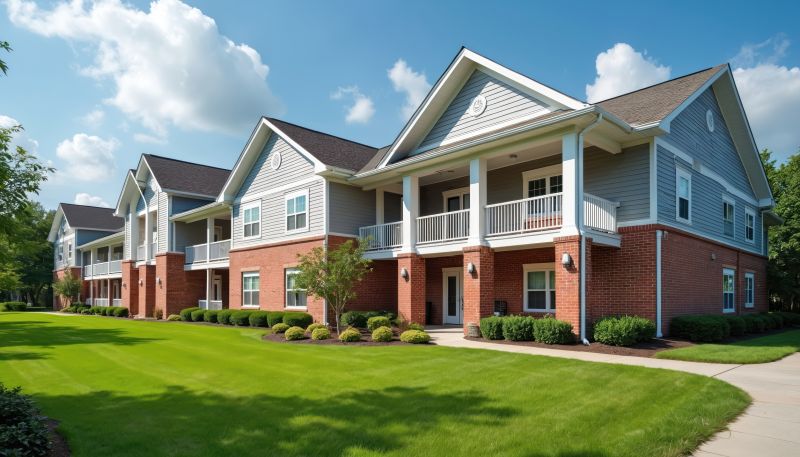
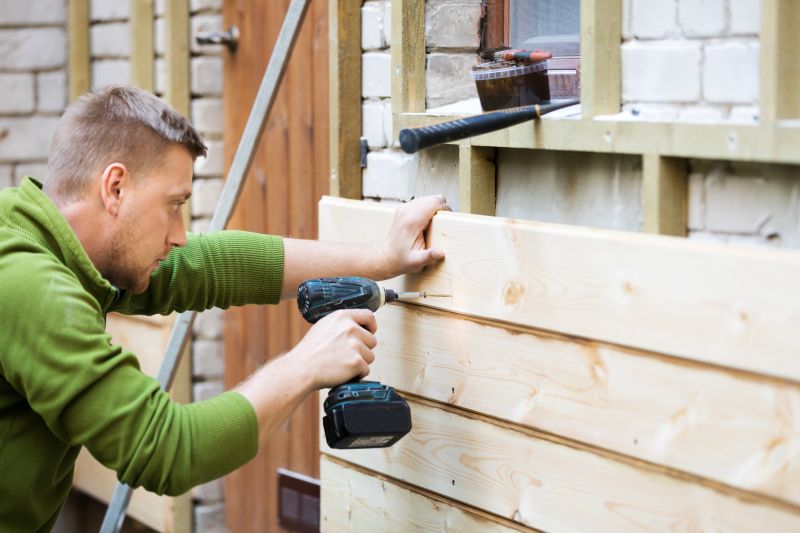
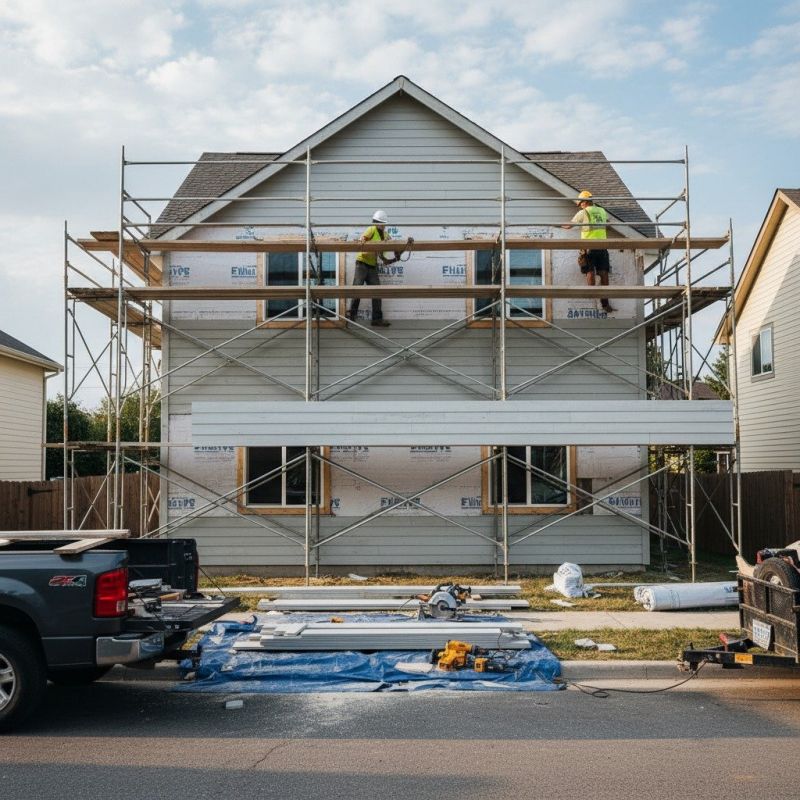
Residential siding installation services involve attaching new exterior cladding to a home’s walls to improve durability, appearance, and energy efficiency. This process typically includes removing or overlaying existing siding, preparing the surface, and carefully installing the chosen material to ensure a smooth, long-lasting finish. Skilled contractors focus on proper alignment, secure fastening, and weatherproofing to protect the home from the elements. Homeowners seeking a fresh look or needing to replace damaged or outdated siding can benefit from professional installation to achieve a seamless, attractive exterior.
These services help resolve common problems such as cracking, warping, or rotting siding that can compromise the home's structural integrity and insulation. Over time, exposure to moisture, pests, and harsh weather can cause siding to deteriorate, leading to higher energy costs and potential interior damage. Installing new siding can also improve curb appeal, making a property more attractive and increasing its overall value. Service providers can recommend the best materials and styles suited to the home’s architecture and the homeowner’s preferences, ensuring a durable and visually appealing result.
Properties that typically utilize residential siding installation include single-family homes, townhouses, and multi-family residences. These structures often require siding updates during renovations or after damage has occurred, especially in regions with severe weather conditions. New construction projects also benefit from professional siding installation, providing a strong, weather-resistant exterior from the outset. Regardless of the property type, experienced local contractors can handle projects of various sizes, offering tailored solutions that meet the specific needs of each home.
Homeowners might consider siding installation when their current exterior shows signs of wear, such as peeling paint, mold, or discoloration. It can also be a strategic upgrade to improve insulation and energy efficiency, reducing heating and cooling costs. Additionally, siding replacement can serve as a preventive measure against pests and water infiltration, protecting the home’s structure. Contacting local service providers can help determine if siding installation is the right step to enhance the home’s exterior, ensuring the project is completed with quality materials and craftsmanship.
The overview below groups typical Residential Siding Installation projects into broad ranges so you can see how smaller, mid-sized, and larger jobs often compare in your area.
In many markets, a large share of routine jobs stays in the lower and middle ranges, while only a smaller percentage of projects moves into the highest bands when the work is more complex or site conditions are harder than average.
Smaller Repairs - minor siding repairs or replacements typically cost between $250 and $600, depending on the material and scope. Many routine repairs fall into this middle range, with fewer projects reaching the higher end for more extensive fixes.
Partial Siding Replacement - replacing sections of siding usually ranges from $1,000 to $3,500, influenced by the size of the area and siding type. Most projects in this category tend to stay within this range, with larger or more complex jobs costing more.
Full Siding Replacement - complete siding installations often range from $5,000 to $15,000, depending on the size of the home and siding material used. Larger, more intricate projects can surpass this range, especially with premium materials or custom designs.
Luxury or Custom Siding Projects - high-end, custom siding installations can exceed $20,000, particularly for large or elaborate homes. These projects are less common and typically involve premium materials and detailed craftsmanship.
Actual totals will depend on details like access to the work area, the scope of the project, and the materials selected, so use these as general starting points rather than exact figures.
Exterior Wall Cladding - Local contractors who install residential siding often have experience with other types of exterior wall coverings, ensuring proper surface preparation and weatherproofing.
House Wrap Installation - Properly installing house wrap involves similar planning and tools as siding projects to enhance energy efficiency and moisture control.
Deck and Porch Framing - Building decks and porches requires framing skills and knowledge of exterior finishes, aligning with the expertise needed for siding installation.
Insulation Installation - Installing insulation in walls complements siding work by improving thermal performance and requires similar access and planning.
Window and Door Trim - Properly fitting and sealing trim around windows and doors relates closely to siding installation, emphasizing weatherproofing and aesthetic finishing.
Exterior Painting Preparation - Preparing surfaces for painting after siding installation involves surface cleaning and repair skills that are also used in siding projects.
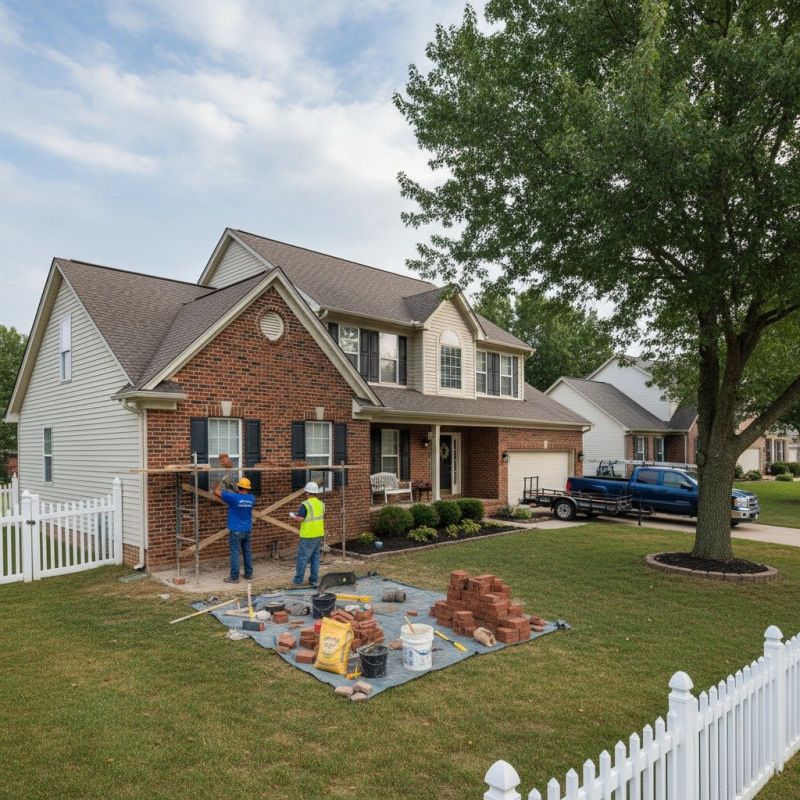
When comparing service providers for residential siding installation, it’s important to focus on a contractor’s experience with similar projects. Homeowners should inquire about how many siding installations the contractor has completed that resemble their own home’s size, style, and material preferences. An experienced local contractor will be familiar with common challenges and best practices, helping to ensure the project proceeds smoothly and meets expectations.
Clear, written expectations are essential when selecting a siding installer. Homeowners should seek detailed proposals that outline the scope of work, materials to be used, and the responsibilities of each party. Having these expectations documented helps prevent misunderstandings and provides a reference point throughout the project. It’s also beneficial to understand the contractor’s process for handling unforeseen issues or changes during installation, fostering transparency and trust.
Reputation and communication are key factors in choosing a reliable local contractor. Reputable service providers can often be identified through references or reviews from previous clients who have had similar work done. Good communication involves timely responses to questions, clarity in explaining options, and openness about the project’s progress. By prioritizing these qualities, homeowners can find a contractor who is professional, transparent, and responsive-making the siding installation process more straightforward and less stressful.
Property owners use Residential Siding Installation services for practical projects around their homes and businesses. This guide focuses on everyday jobs and straightforward project options.
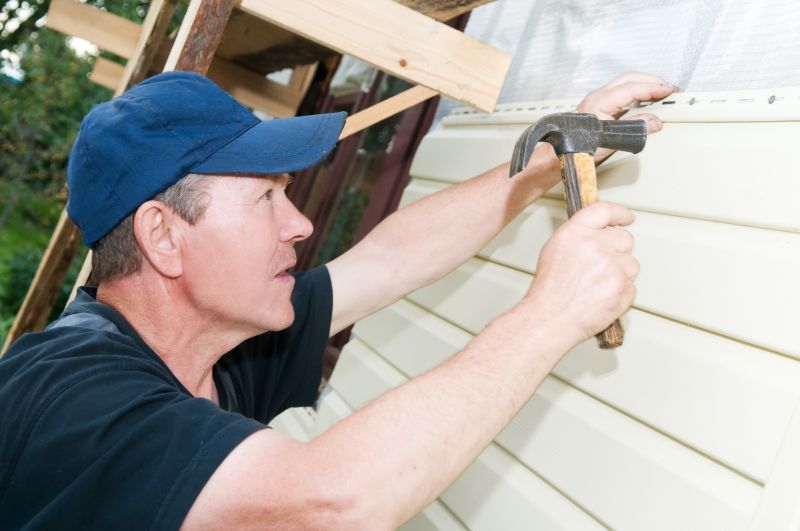
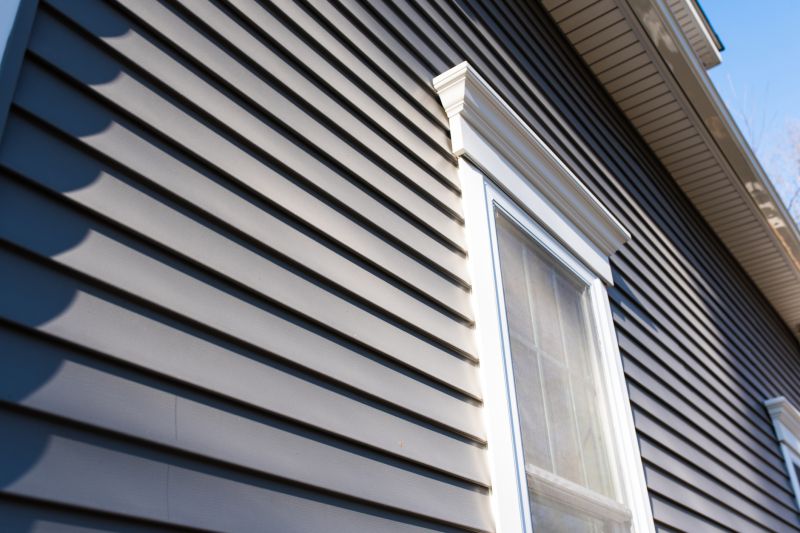
Residential siding installation is a common project for property owners looking to improve the appearance and durability of their homes. Local contractors are often called upon when siding becomes damaged from weather, age, or general wear and tear. Homeowners may also seek siding upgrades to boost curb appeal or to better insulate their residences, making the property more comfortable and energy-efficient.
Many property owners turn to local service providers for siding replacement after noticing issues like cracks, warping, or fading. Others might pursue new siding installations during renovations or when preparing a home for sale. In any case, local contractors are available to handle a range of siding needs, ensuring that homes are protected and visually appealing.
What types of siding materials do local contractors install? Local service providers typically install a variety of siding materials, including vinyl, fiber cement, wood, and aluminum, to suit different preferences and home styles.
Can residential siding installation improve the curb appeal of a home? Yes, professional siding installation can enhance the appearance of a property, making it look more attractive and well-maintained.
Are there different siding styles available for residential properties? Yes, contractors offer various styles such as horizontal, vertical, shake, and board-and-batten to match different architectural designs.
What should homeowners consider when choosing siding for their home? Homeowners should consider factors like durability, maintenance requirements, aesthetic preferences, and compatibility with the home's architecture.
How do local contractors handle siding installation for different types of homes? Experienced service providers assess each home's structure and recommend suitable siding options that fit the specific needs and style of the residence.
Upgrade Curb Appeal - Property owners can enhance the appearance of their home by installing new siding that complements their style and neighborhood.
Improve Energy Efficiency - Replacing old siding can help insulate a home better, reducing energy costs and maintaining comfortable indoor temperatures.
Prepare for Weather Changes - Installing durable siding provides added protection against harsh weather conditions, helping to prevent damage during storms or heavy rain.
Refresh Exterior Surfaces - Siding installation offers a practical way to give a home a clean, updated look, especially when existing materials are worn or outdated.
If you are thinking about Residential Siding Installation for a property, this guide is meant to help you understand the work, the typical project types, and how different options might fit your plans.
When you are ready, you can use the quote form on this page to share a few details about your project. From there, local pros can review the basics and respond with options that match what you have in mind.